
Get Clear on Your Next Chapter
Find clarity, meaning, and alignment as you navigate life transitions . Clarity. Direction. Real change.
Let's talk
At some point, what worked before stops working. The roles shift. The priorities change.
And the version of you that once made sense… doesn’t fully fit anymore. That’s not failure.
That’s transition. This space helps you meet that moment with clarity—and take action
on what comes next.

Identity Misalignment
Clarity
Understand what’s no longer aligned and what actually matters to you now.

Accountability
Ownership
Take responsibility for your next chapter—and the decisions that shape it.

Cohort Support
Community
Connect with others who are also navigating change and moving forward.

Pathways
Direction
Turn clarity into action and move forward with intention and confidence.
Start With Clarity
Redefine your Purpose with our FREE Life Audit .
A structured way to evaluate your life, identify what’s out of alignment, and decide what needs to change.
Redefine your Purpose with Donna
Certified Life Coach
Donna Newman, MSN, RN (Ret), CPT, US Army (Ret), is a transformational life coach.
With decades of experience in healthcare and service, she brings a grounded, structured approach to helping women move through life transitions with clarity, ownership, and direction. Her work focuses on helping women stop circling uncertainty and start making aligned decisions about what comes next.



Transformational coaching focuses on helping you shift how you think, decide, and show up—so your external life begins to change as a result.
Instead of offering quick fixes or surface-level advice, Donna’s work helps women:
Understand what’s driving their current patterns
Get clear on what’s no longer aligned
Make intentional decisions about what comes next
Empty Nesting & Life Transitions
At some point, what worked before stops working. The roles shift.
The priorities change. And the version of you that once made sense no longer fits.
That’s not failure.
That’s transition.
Get Support That Moves You Forward
You don’t need more information. You need structure, perspective, and accountability.

7 DAY Quiet Reset Course
Quiet Reset
The Quiet Reset gives you space to step back, clear your thinking, and reconnect with what matters.
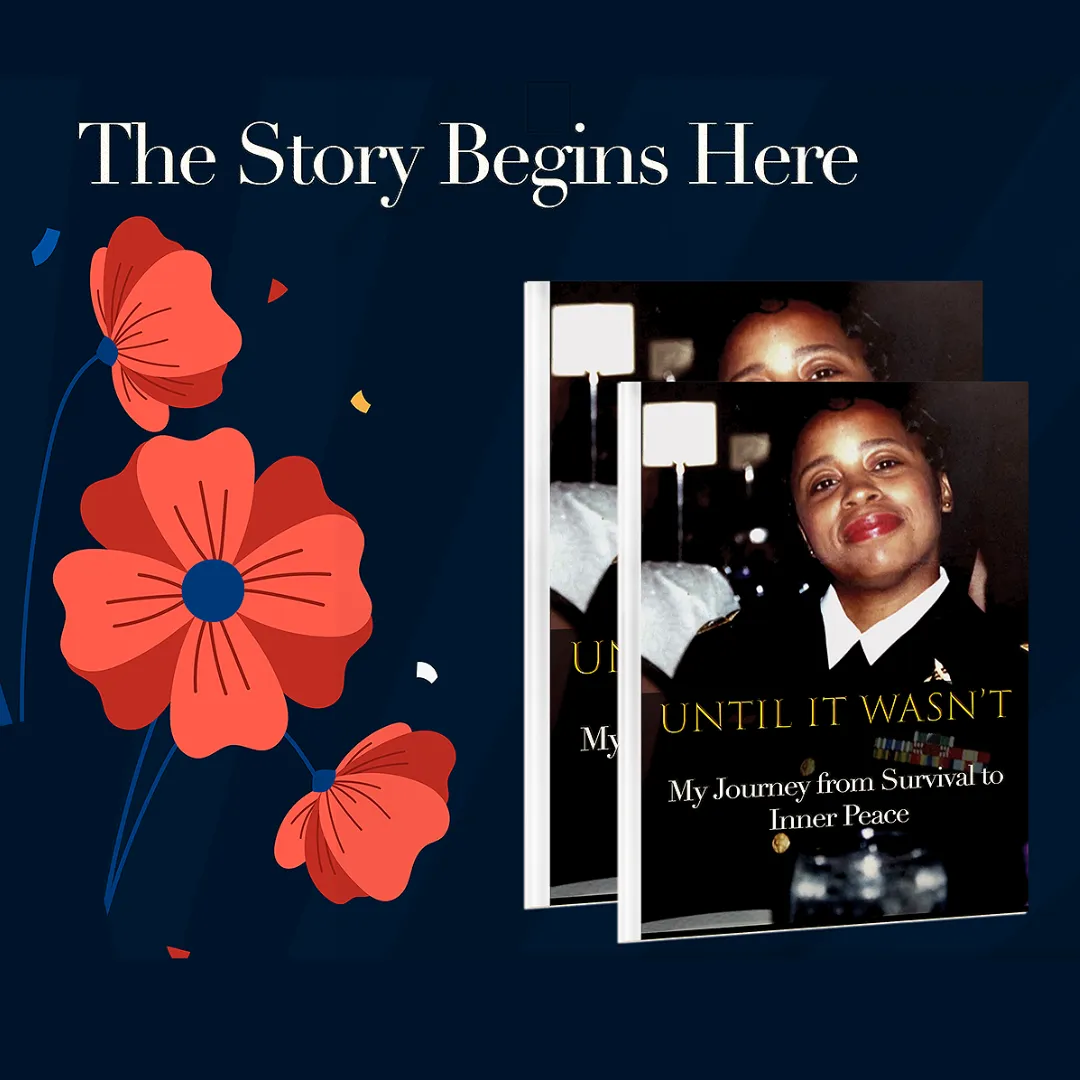
Author and Speaker
Books by Donna
Get clear, grounded insights and practical guidance to help you move forward.
Midlife Redefined Blog

Signs Your Burnout Is Actually Identity Misalignment After 40
Many professional women reach their forties believing they are burned out.
They assume the solution is rest, vacation time, or even leaving their career entirely.
But sometimes the exhaustion is not caused by work itself.
Instead, the deeper issue is identity misalignment.
The life and career you built once reflected who you were.
But identity evolves.
And when identity evolves, the structures around your life must evolve as well.
Understanding the difference between burnout and identity misalignment can change how you approach the next chapter of your life.
What Burnout Actually Looks Like
Burnout typically develops when someone experiences prolonged stress without adequate recovery.
Common burnout symptoms include:
emotional exhaustion
difficulty concentrating
cynicism toward work
reduced productivity
Burnout is often related to workload or workplace conditions.
When burnout improves, energy gradually returns.
What Identity Misalignment Feels Like
Identity misalignment is different.
You may feel:
successful but disconnected
accomplished but unfulfilled
productive but strangely empty
The work itself may not be the problem.
Instead, the deeper issue is that the role no longer reflects who you are becoming.
This often happens in midlife because priorities shift.
Values change.
Experiences reshape identity.
The version of you who built your career is not the same version of you living inside it now.
Signs You May Be Experiencing Identity Misalignment
1. Success no longer feels meaningful
You may have achieved many milestones.
But they no longer create the same sense of fulfillment.
2. Your work feels disconnected from your values
You may still perform well, but the work no longer reflects what matters most to you.
3. You feel restless despite stability
Externally your life looks stable.
Internally you feel unsettled.
4. You question your direction more often
Questions begin appearing more frequently:
Is this really what I want to keep doing?
What would feel more meaningful now?
These questions are often signals of identity transition.
Why This Often Happens After 40
Midlife is a natural period of identity reassessment.
Life experiences accumulate.
Responsibilities change.
Children grow up.
Career goals are met.
These shifts create space for deeper questions about meaning and purpose.
This process is normal.
But because it happens quietly, many women interpret it as burnout rather than identity evolution.
A Simple Way to Start Reconnecting
Instead of forcing immediate answers, begin with reflection.
Ask yourself:
What brings me joy right now?
What strengths do others recognize in me?
Who do I want to positively impact next?
Questions like these can begin revealing the direction your next chapter may take.
The process does not require urgency.
Sometimes it begins with simply noticing what feels true now.
Gentle Next Step
If you want a simple place to begin reflecting on these questions, you can use a short guided worksheet designed for women rediscovering their next chapter.
It includes five prompts that help identify strengths, meaning, and direction.
Download the reflection guide here.